April 17, 2025

Italy’s vineyards are steeped in history, tradition, and an unwavering reverence for the land. As climate change and environmental pressures reshape the wine industry, Italian winemakers are not just adapting, they’re leading the charge with innovative and deeply rooted sustainability practices. At Dialect, every producer in the portfolio shares this commitment, making sustainability a core value rather than just a label. From organic and biodynamic farming to native grape revival, here’s how our wine producers are crafting a greener future and shaping Italian wine by putting sustainable values into action.
1. Embracing Organic Farming
Many Italian winemakers are turning to organic agriculture to reduce their environmental footprint. This means saying no to synthetic pesticides and fertilizers and yes to natural, soil-friendly practices. Italy leads Europe in certified organic vineyard acreage, with regions like Sicily and Tuscany setting the pace. And while many producers hold organic certification, countless others farm organically out of tradition and cultural instinct because it’s simply the way it’s always been done.
Organic farming enhances biodiversity, supports healthier ecosystems, and often results in wines that better express their terroir – offering a true taste of place.
2. Biodynamic Vineyards: Farming by the Moon
Some producers go a step further, embracing biodynamic farming, a holistic approach that views the vineyard as a self-sustaining ecosystem. Inspired by the teachings of Rudolf Steiner, biodynamic viticulture includes practices like composting, planting cover crops, and aligning vineyard work with lunar cycles.
Notable estates in regions like Emilia-Romagna have adopted biodynamics, finding that the method not only benefits the planet but also deepens the character and age-worthiness of their wines.
.png/:/cr=t:0%25,l:0%25,w:100%25,h:100%25/rs=w:1280 "Sustainable Winemaking Practices")
3. Championing Indigenous Grape Varieties
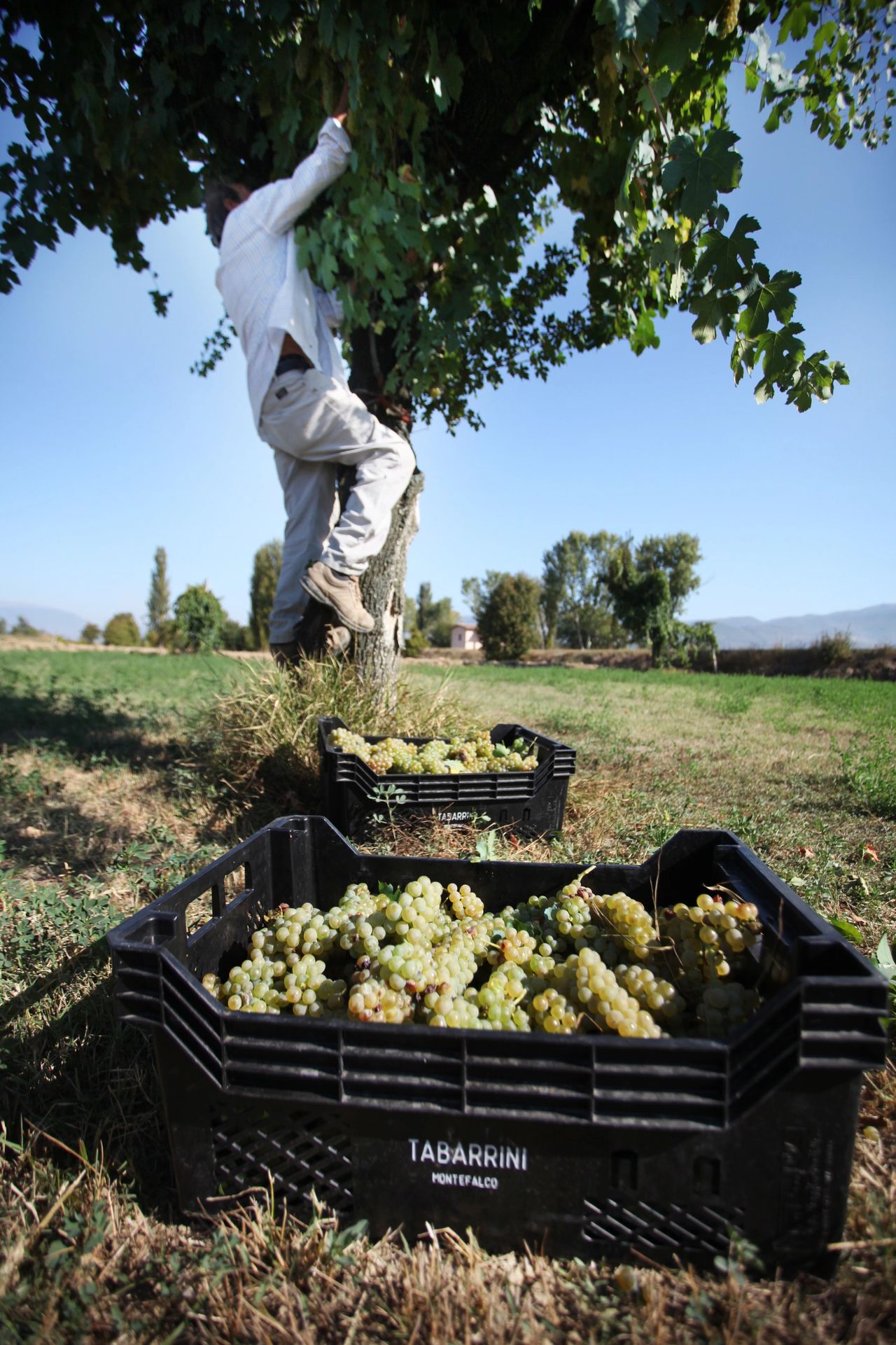
Italy is home to more than 500 native grape varieties, and sustainable-minded winemakers are proudly cultivating these indigenous vines rather than planting international varieties. Why? Because native grapes are often better adapted to local soils and climates, requiring less irrigation and fewer chemical inputs.
Think Nerello Mascalese in Sicily, Fiano in Campania, or Trebbiano Spoletino in Umbria, each grape tells a story of its land while supporting agricultural diversity and resilience.
Our producers bring these grapes to life:
- Casa Comerci protects and showcases Magliocco Canino in Calabria.
- Iuppa works with Nerello Mascalese on Etna’s volcanic slopes.
- Tibaldi brings attention to Roero’s Arneis and other local gems.
4. Water Conservation & Soil Health
With rising temperatures and shifting weather patterns, water management has become critical. Many winemakers have adopted dry farming practices, relying on natural rainfall and training vines to dig deep roots for moisture. Cover crops and composting also improve soil health, reduce erosion, and increase water retention.
Some estates have implemented closed-loop irrigation systems and rainwater harvesting to minimize waste and ensure sustainability through dry seasons.
5. Energy Efficiency & Renewable Power
Many wineries are investing in solar energy, geothermal systems, and energy-efficient winemaking equipment. Solar panels are increasingly common across Italy’s sun-drenched wine regions, powering everything from fermentation tanks to tasting rooms.
Diversitas, a project from Tenuta Talamonti, is rooted in sustainability, and has achieved solar power certification. This is a testament to their commitment to renewable energy and long-term environmental responsibility. This investment not only reduces reliance on fossil fuels, but also reflects the broader value that defines every step of their winemaking process.
A Shared Philosophy
At Dialect, we are proud to represent winemakers who view sustainability as a form of respect for their land, their craft, and future generations. Whether they’re preserving old-vine vineyards, working with native grapes, or investing in long-term environmental solutions, these producers are making wine the right way.
Sustainability isn’t just part of their story, it is their story. And every bottle you open from the Dialect portfolio is a reflection of that commitment.
So the next time you raise a glass of Nero d’Avola, Aglianico, or Arneis, know this: you’re not just tasting Italian terroir, you’re supporting the people who are protecting it.
Salute to Earth Month & sustainable sipping. 🍷🌿
Leave a Reply